Reno Vulcanizing Has Been Proudly Serving Northern Nevada for Over 100 Years
Common Signs of Transmission Problems
Transmission concerns often start with small changes that become more noticeable over time. You may experience:
- Delayed or rough shifting
- Slipping between gears
- Hesitation during acceleration
- Unusual noises while driving
- Warning lights on your dashboard
- Burning smell or signs of overheating
If you notice any of these symptoms, it is important to have your vehicle inspected.
What Transmission Diagnostics Involve
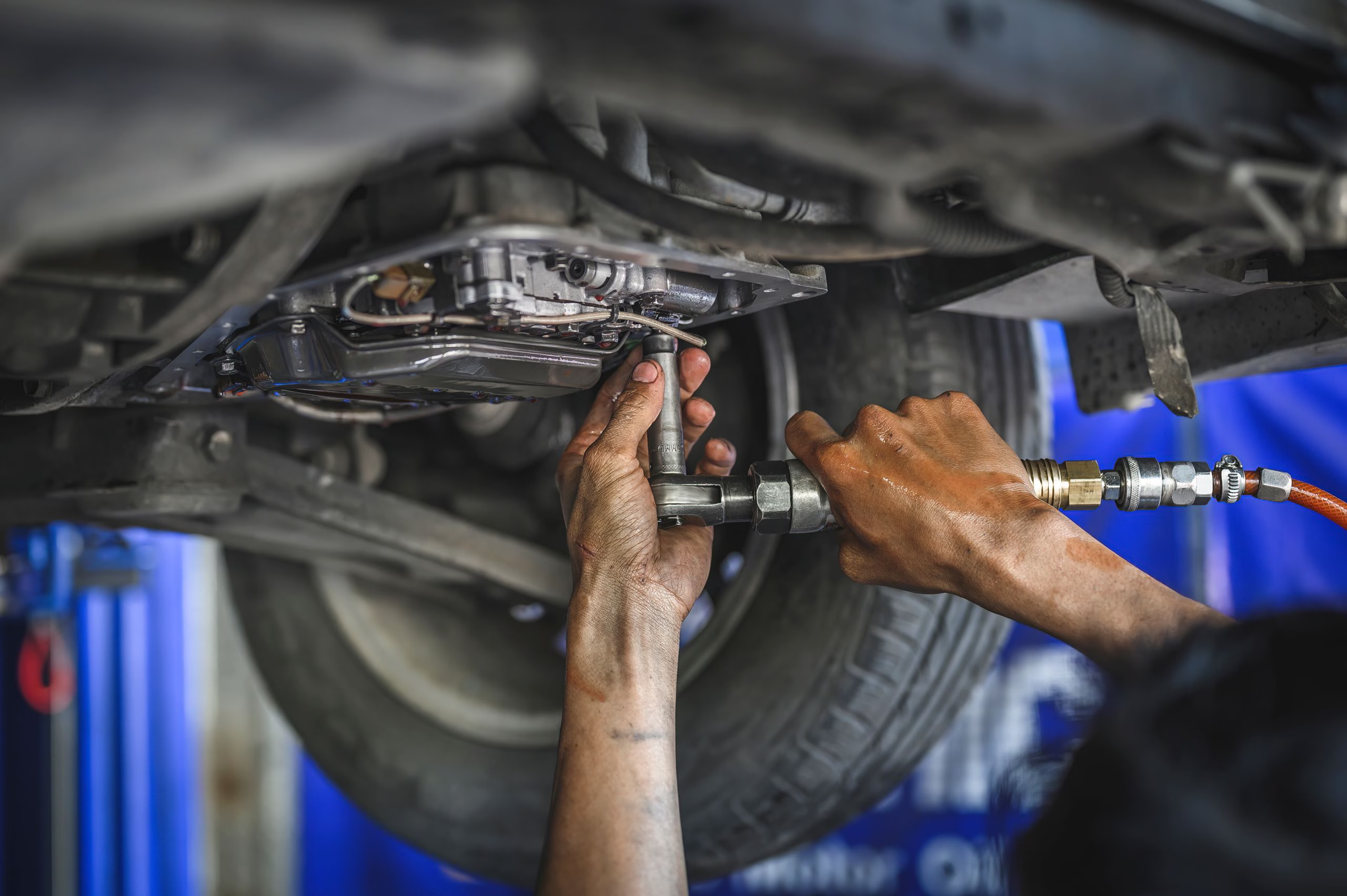
Transmission diagnostics focus on identifying the root cause of performance issues rather than guessing or immediately recommending service.
This process may include:
- Evaluation of shifting performance
- Inspection of transmission fluid condition and level
- Scan for diagnostic trouble codes
- Assessment of related systems and components
- Road testing when necessary
Every step is designed to provide a clear understanding of what your vehicle is experiencing.
Why Accurate Diagnostics Matter
Transmission systems are complex, and symptoms can sometimes point to more than one possible issue.
Accurate diagnostics help:
- Prevent unnecessary or incorrect repairs
- Identify issues early before they worsen
- Ensure the right service is performed the first time
- Protect the long term performance of your vehicle
This approach allows us to make recommendations based on facts, not assumptions.
Included With Every Service Visit
Every vehicle we service receives a complimentary 27-point inspection, along with a digital inspection report sent directly to your phone or email. This provides a full picture of your vehicle’s condition alongside any transmission findings.
Clear Communication Before Any Service
After diagnostics are complete:
- Findings are reviewed with you in clear terms
- Recommended next steps are explained
- No work is performed without your approval
You will have the information you need to make confident decisions about your vehicle.
When to Schedule Transmission Diagnostics
If your vehicle is not driving the way it normally does, it is best to schedule diagnostics as soon as possible.
Addressing concerns early can help reduce the risk of more extensive repairs and keep your vehicle performing as it should.