Reno Vulcanizing Has Been Proudly Serving Northern Nevada for Over 100 Years
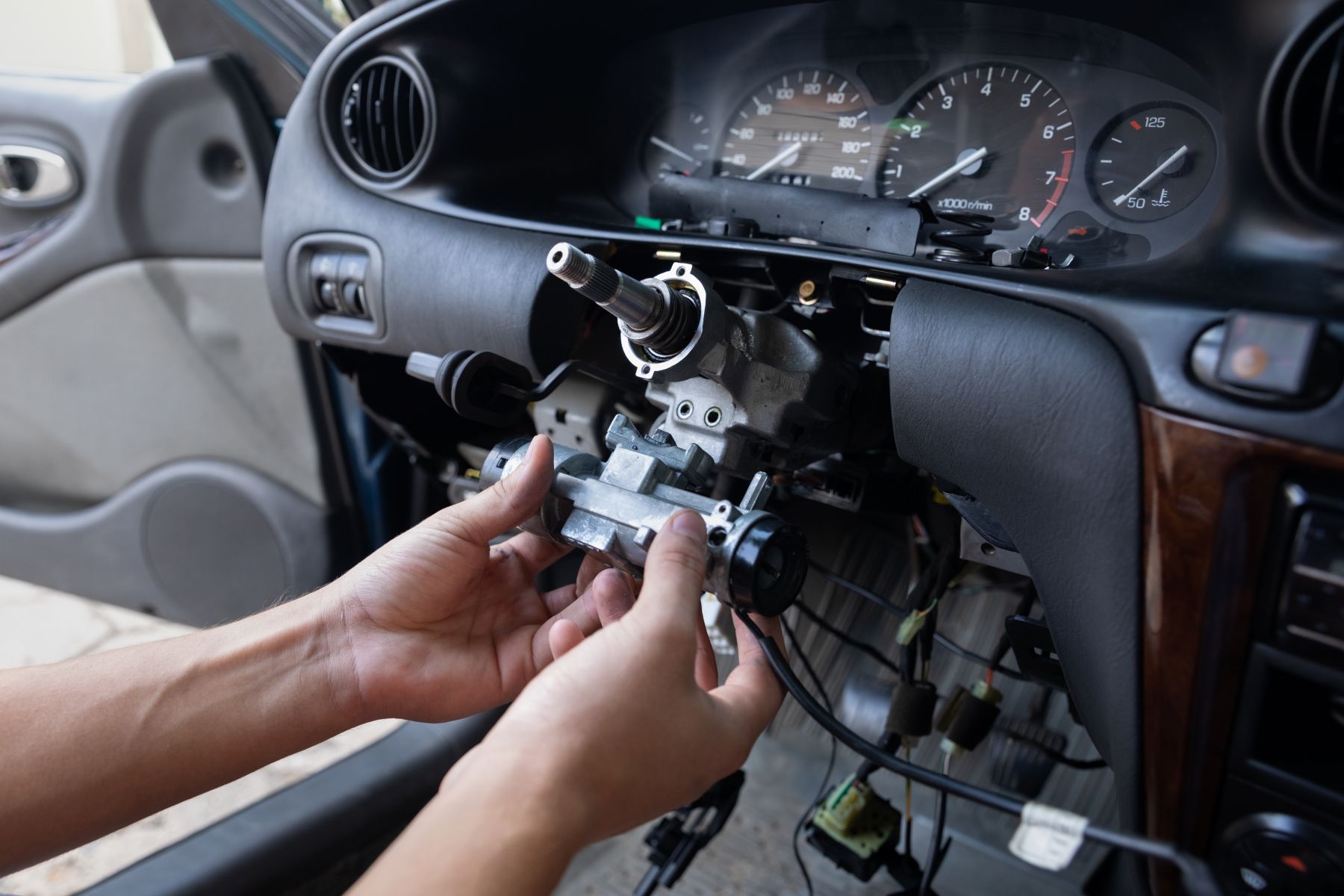
Your steering system allows you to control direction with precision and stability. When steering components wear or loosen, response can become inconsistent and handling confidence may decline.
Steering repair begins with inspection. Components are evaluated for wear, looseness, leakage, and proper operation before any repair is recommended.
Common Steering Concerns
Drivers typically schedule steering inspections for:
- Excessive play in the steering wheel
- Vehicle drifting or wandering
- Steering that feels loose or delayed
- Stiff or difficult turning
- Uneven tire wear linked to handling issues
Because steering components work together, symptoms often overlap with suspension or alignment concerns.
What a Steering System Inspection Includes
Steering system evaluation focuses on identifying wear or irregular operation. This typically includes:
- Inspection of steering linkage and joints
- Evaluation of tie rods and steering rack components
- Check for excessive play or looseness
- Inspection for fluid leaks where applicable
- Verification of steering response during operation
Findings are reviewed clearly before any repair is performed.
Why Steering Issues Should Be Addressed Early
Steering components directly affect vehicle control. Worn or loose parts can:
- Reduce handling precision
- Accelerate tire wear
- Place additional stress on suspension components
- Compromise stability during emergency maneuvers
Early inspection helps prevent further wear and maintains predictable handling.
Included With Every Service Visit
Every vehicle we service receives a complimentary 27-point inspection, complete with a digital inspection report sent directly to your phone or email. This provides additional context about overall vehicle condition alongside steering evaluation.