Reno Vulcanizing Has Been Proudly Serving Northern Nevada for Over 100 Years
Potholes, curbs, and rough Sierra roads can gradually knock your vehicle’s suspension out of alignment. Even slight misalignment can compromise handling and cause tires to wear much faster than they should.
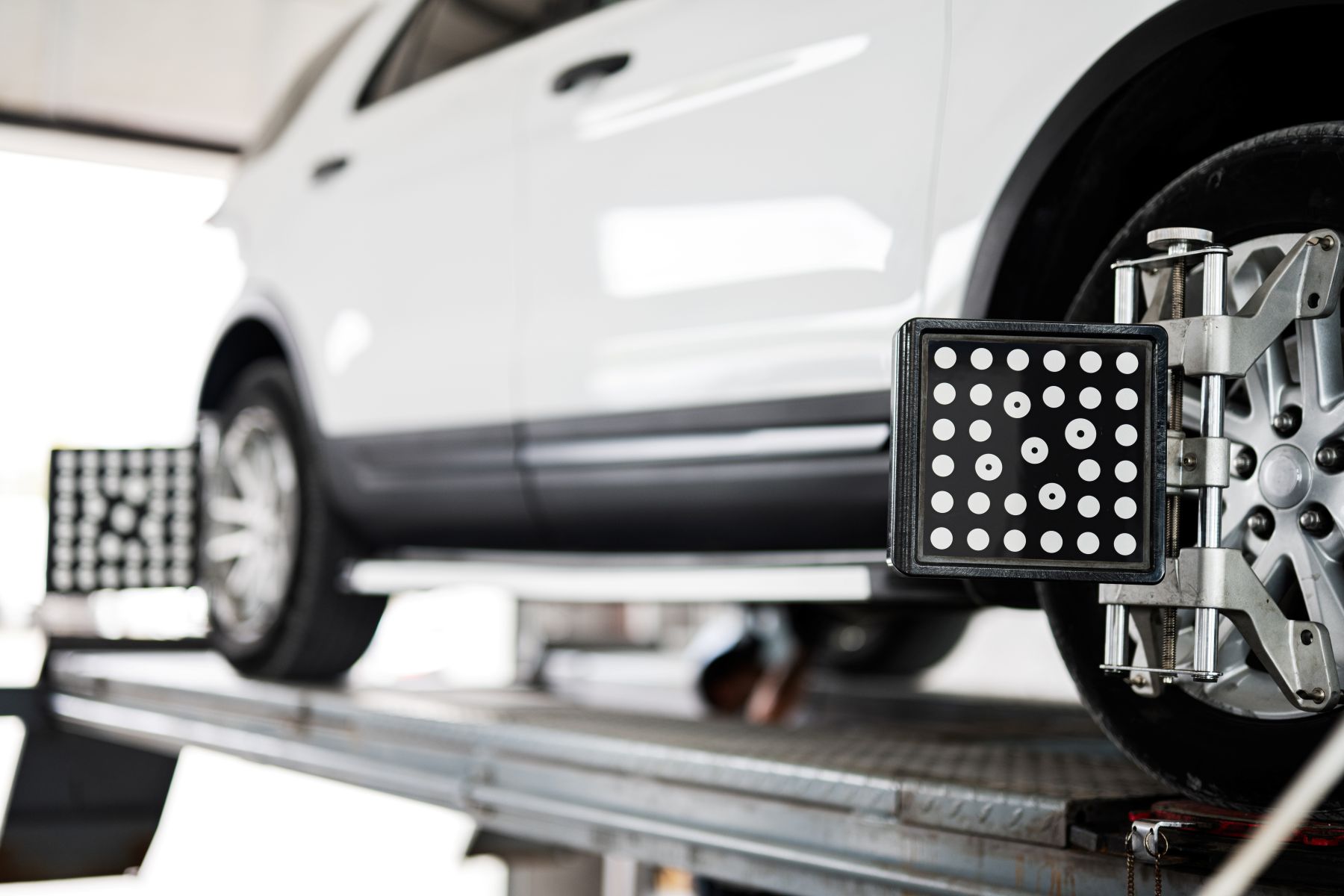
At Reno Vulcanizing, wheel alignment service is based on measured data, not guesswork. Digital imaging technology is used to measure suspension angles against exact manufacturer specifications. This helps the vehicle drive straight, handle predictably, and get maximum mileage from every tire under real Northern Nevada driving conditions.
Signs an Alignment May Be Needed
Misalignment often develops gradually, which makes it easy to overlook. Common signs include:
- Pulling or drifting
The vehicle steers to the left or right when driving on a straight, level road. - Crooked steering wheel
The steering wheel sits off-center even when the vehicle is traveling straight. - Uneven tire wear
The inside or outside edges of the tires wear faster than the center tread. - Squealing tires
Tires squeal during normal, low-speed turns.
Note: If the steering wheel shakes or vibrates at highway speeds, this usually points to a wheel balancing issue rather than alignment.
Learn About Tire Rotation & Wheel Balancing →
What Causes Alignment Problems
Wheel alignment issues are rarely random. They are commonly caused by:
- Impacts from potholes, curbs, or road debris
- Normal suspension wear over time
- Worn steering or suspension components
- Tire replacement or suspension repairs
- Changes in ride height or vehicle load
Because multiple factors can affect alignment, inspection and measurement are important before adjustments are made.
The Digital Alignment Difference
You should see clear proof that an alignment was necessary and that it was performed correctly. Modern digital alignment systems provide that verification.
Every alignment service includes:
- Before and after measurements
A detailed report showing camber, caster, and toe angles before adjustments and after corrections are completed. - Color-coded verification
Red indicates angles outside specification.
Green confirms angles have been corrected to factory standards. - Suspension inspection
Components such as tie rods, ball joints, and control arms are checked for wear that could prevent proper alignment.
This process ensures alignment corrections are accurate and verifiable.
Why Proper Alignment Matters
Skipping alignment service to save time often leads to higher costs later.
- Protecting tire investment
Misalignment drags tires across the pavement, accelerating wear and forcing early replacement - Fuel efficiency and range
When wheels are not aligned correctly, rolling resistance increases. Proper alignment helps maintain fuel economy and electric vehicle range. - Safety and handling
A properly aligned vehicle responds more predictably in rain, snow, and emergency situations.
When to Schedule an Alignment Check
An alignment check is recommended:
- When installing new tires
- After hitting a pothole or curb
- If the vehicle pulls or feels unstable
- When uneven tire wear is visible
- After suspension or steering repairs
Even if symptoms are subtle, measuring alignment provides clarity and helps prevent unnecessary tire wear.