Reno Vulcanizing Has Been Proudly Serving Northern Nevada for Over 100 Years
Modern vehicles rely on dozens of interconnected electrical systems. When problems arise, symptoms can appear inconsistent, unrelated, or difficult to reproduce.
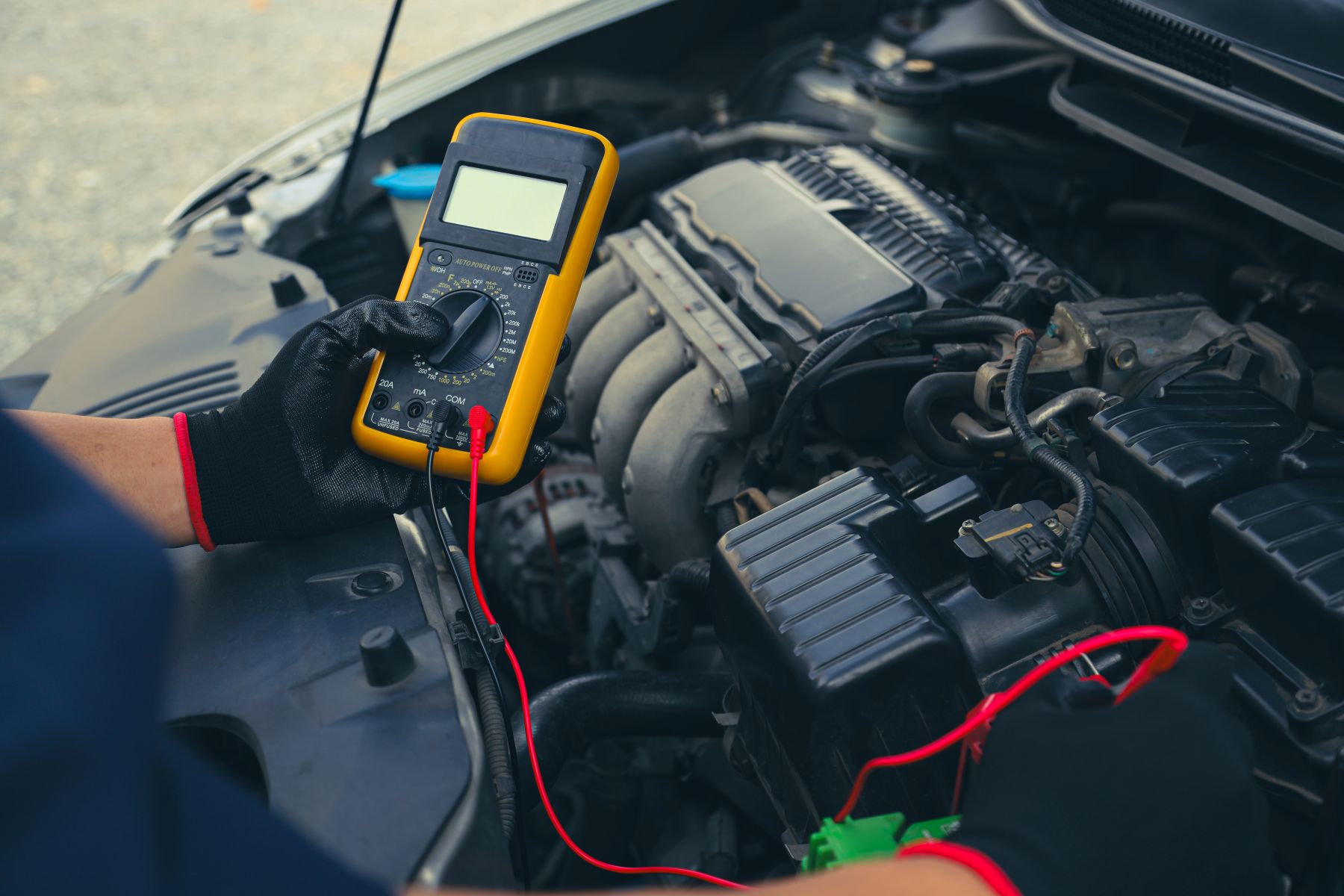
Electrical system inspections are designed to evaluate how multiple components and circuits are functioning together. Rather than replacing parts based on assumptions, inspection helps identify where the concern originates.
When an Electrical Inspection Is Recommended
Drivers typically request electrical inspections for concerns such as:
- Intermittent warning lights
- Accessories that stop working unexpectedly
- Electrical problems that come and go
- Repeated battery drain
- Issues that persist after parts have been replaced
- Multiple electrical symptoms occurring at once
These situations often require broader system evaluation rather than isolated part replacement.
What an Electrical System Inspection Involves
Electrical inspections focus on identifying the source of irregular behavior. This may include:
- Visual inspection of wiring and connectors
- Checking for corrosion or loose connections
- Evaluation of system voltage stability
- Testing circuits related to the reported concern
- Review of stored alerts or fault indicators
The goal is to determine which system requires attention before repairs are recommended.
Why Electrical Issues Should Not Be Ignored
Electrical problems can escalate over time. Loose connections or voltage irregularities may lead to:
- Starting failures
- Accessory malfunction
- Safety system interruptions
- Repeat part failures
Inspection helps prevent minor issues from becoming larger electrical concerns.
Included With Every Service Visit
Every vehicle we service receives a complimentary 27-point inspection, complete with a digital inspection report sent directly to your phone or email. This provides a documented overview of vehicle condition alongside electrical system evaluation.
Inspection First, Repair Second
Electrical concerns are rarely resolved by replacing a single part without confirmation. A structured inspection ensures:
- The correct system is identified
- Unnecessary replacement is avoided
- Repairs are targeted and efficient